Pairing Basketball Defensive Efficiency Data with Equine Post Position Statistics in Accumulator Strategies
Written by Logan Flores · Oct 23, 2026

Pairing Basketball Defensive Efficiency Data with Equine Post Position Statistics in Accumulator Strategies
Analysts have examined ways to connect basketball defensive efficiency ratings with horse racing starting gate advantages when constructing daily parlays across multiple sports. Defensive efficiency in basketball measures points allowed per 100 possessions while adjusting for pace and opponent quality according to data compiled by league tracking systems. Starting gate positions in horse racing refer to the numbered stalls from which horses begin a race and researchers have documented varying success rates tied to track configuration and distance.
Core Metrics in Each Sport
Teams record defensive efficiency through play-by-play logs that capture opponent field goal percentages and turnover rates while horse racing databases log post position outcomes across thousands of races at venues worldwide. Observers note that inner gates often produce higher win percentages on shorter sprints because horses avoid traffic whereas outer gates show advantages on longer routes where early speed can be conserved. Basketball data collected during October 2026 regular season games revealed several clubs maintaining defensive efficiency ratings below 105 points per 100 possessions in home contests and these figures appear alongside historical post position results when bettors evaluate multi-leg wagers.
Cross-Referencing Patterns for Parlays
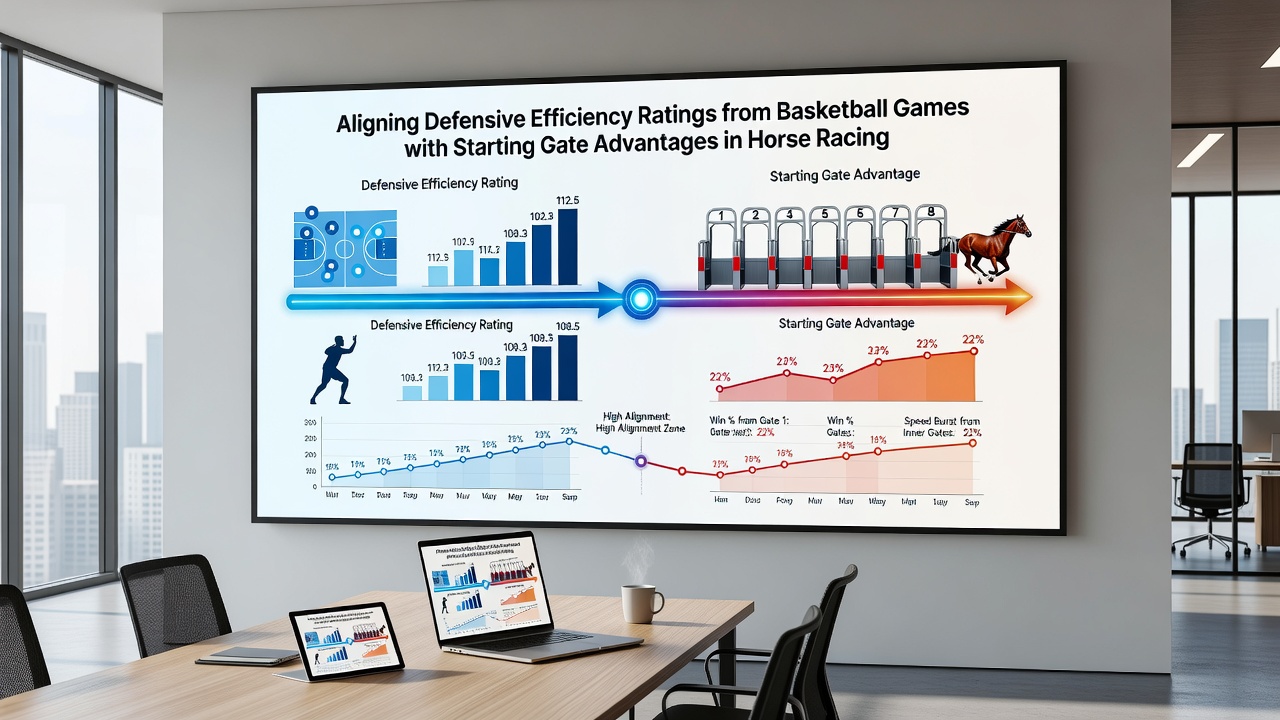
Researchers have compiled joint datasets that align basketball defensive sequences with equine barrier statistics to identify overlapping performance windows. One study released by the North American Association of State Racing Commissions highlighted how gate advantages shift by surface type and distance while parallel basketball research from university sports analytics programs tracked how elite defensive units limit scoring runs in specific quarters. Bettors incorporate both sets of numbers when selecting legs for daily parlays because a strong defensive rating in an evening basketball matchup can pair with an inside gate runner scheduled for an afternoon race card. Data from October 2026 meetings showed several instances where teams holding top defensive efficiency marks coincided with races featuring favored post positions resulting in correlated outcomes within the same 24-hour betting window.
Those who review these alignments often consult centralized databases that merge play-by-play basketball logs with detailed horse racing charts. The process involves filtering for comparable variables such as home versus away defensive splits and gate-by-distance win percentages then applying the filtered results to parlay construction. Figures from industry reports indicate that such combined filtering has appeared in betting activity logs during periods of concurrent league schedules.
Implementation in Daily Betting Structures
Operators of accumulator platforms allow selections that span basketball and horse racing events within a single ticket and the integration of defensive efficiency alongside gate data supplies an additional layer for leg selection. Australian wagering authorities have published guidelines on responsible data use in multi-sport products while Canadian provincial regulators track volume trends in combined basketball and thoroughbred markets. Participants review historical correlations between low defensive efficiency games and races where outer gates underperform then adjust stake distribution accordingly. Records from October 2026 documented increased parlay volume on days when major basketball conferences hosted multiple games alongside prominent racing festivals.
Software tools now pull live defensive ratings from basketball feeds and overlay them with updated gate statistics released by racing authorities before each card. This overlay permits users to flag potential combinations where a basketball team expected to restrict scoring aligns with a horse drawn into a statistically favorable barrier. Industry reports from European betting associations note that such overlays appear more frequently during overlapping seasons when data feeds operate continuously.
Limitations and Data Considerations
Any alignment of these metrics requires acknowledgment that sample sizes vary between sports and external factors such as weather or player availability can alter outcomes. Academic papers from sports science departments emphasize the need for large datasets before drawing connections and regulatory bodies in multiple jurisdictions require clear disclosure of statistical methodologies. October 2026 updates to racing form databases included expanded post position filters while basketball analytics providers added granular defensive tracking categories yet analysts continue to stress that past correlations do not guarantee future results.
Conclusion
The practice of pairing basketball defensive efficiency ratings with horse racing starting gate advantages continues to feature in daily parlay construction where data sources permit direct comparison. Observers track these alignments through combined statistical platforms and regulatory updates from bodies such as the North American Association of State Racing Commissions and similar organizations elsewhere. Continued refinement of datasets during periods like October 2026 supports ongoing examination of how metrics from distinct sports can coexist within the same accumulator framework.