UK Betting Firms Prepare Legal Challenge to Gambling Commission Affordability Proposals
Written by Logan Flores · May 17, 2026

UK Betting Firms Prepare Legal Challenge to Gambling Commission Affordability Proposals
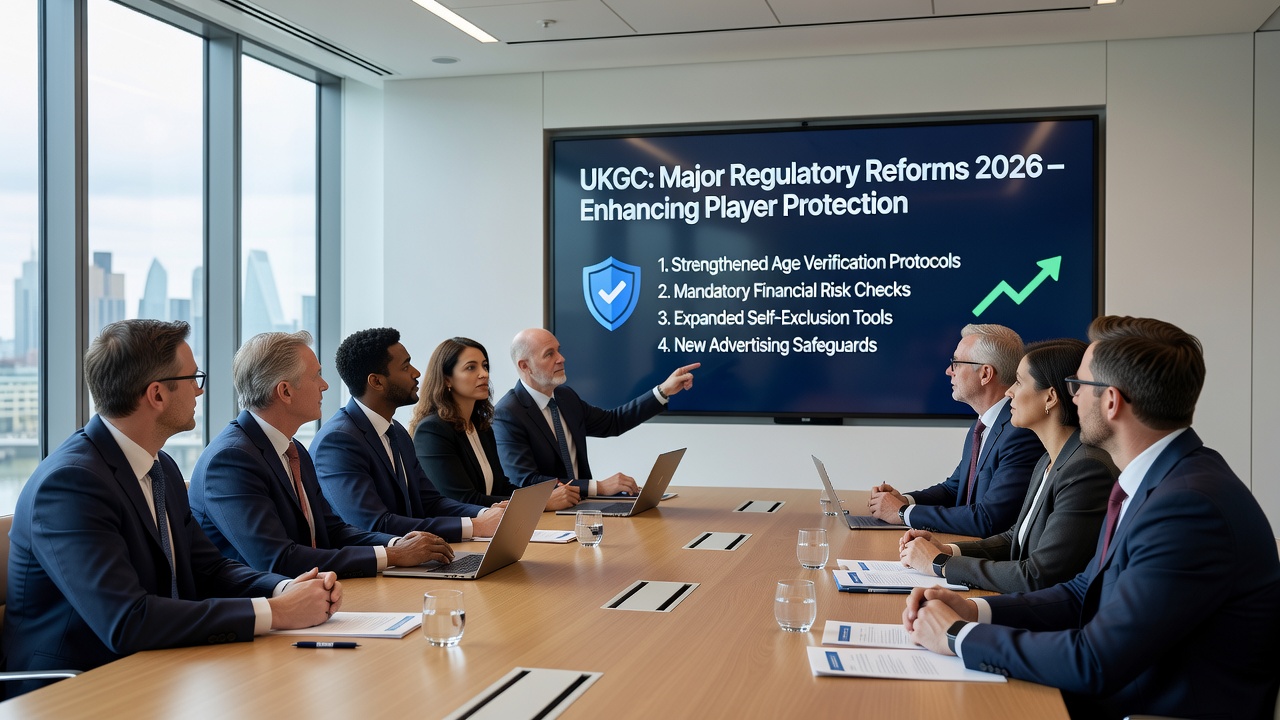
The Betting and Gaming Council has signalled its intent to pursue legal action against the Gambling Commission over new affordability verification rules that operators say would demand payslips along with other personal financial records from customers, and this move comes as part of wider regulatory tightening across the UK gambling sector during 2026. Bookmakers argue that the measures were developed without adequate industry input or pilot testing, and they warn that such requirements could push players toward unregulated black-market operators instead of licensed sites. Grainne Hurst, chief executive of the Betting and Gaming Council, has outlined the organisation's position in clear terms; the group maintains that the checks lack proper consultation and evaluation, which leaves operators without a clear path to implement the changes effectively while still protecting customer privacy. The proposed system would require verification steps that many in the industry view as intrusive, and several firms have already indicated they may seek a judicial review to examine whether the Gambling Commission followed correct procedures when drafting the policy.Background to the Proposed Checks
Regulatory authorities introduced the affordability checks as part of ongoing efforts to strengthen consumer protections, yet the timeline and scope of the measures have drawn sharp criticism from licensed operators. The checks would apply when customers reach certain deposit or loss thresholds, and they could involve requests for bank statements, income proof, or other documentation that goes beyond current identity verification processes. Industry representatives point out that similar requirements in other jurisdictions have sometimes led to reduced participation among regular customers who prefer to keep their financial details private.
Operators note that the absence of a trial period means the full effects on customer behaviour remain unknown, and they suggest this gap in preparation could create compliance burdens that smaller betting shops struggle to meet. Data from previous regulatory changes shows that abrupt implementation often results in shifts in player activity, and several firms have referenced internal figures indicating potential migration to offshore platforms that do not follow UK rules.
Industry Arguments and Legal Strategy
The Betting and Gaming Council contends that meaningful dialogue with operators should have occurred before the proposals reached their current stage, and it highlights the lack of economic impact assessments as a further concern. Hurst has emphasised that licensed companies already maintain robust systems for detecting harmful gambling patterns, which makes additional blanket checks redundant in many cases. Legal experts familiar with administrative law suggest that a judicial review could focus on whether the Gambling Commission exceeded its authority or failed to consider relevant evidence during the policy development phase.
Multiple bookmakers have expressed support for the Council's stance, noting that the proposed documentation demands could slow down account access for thousands of customers each week. They argue that the process might feel disproportionate to the majority of players who gamble within their means, and this friction could reduce overall engagement with legal UK sites. Some operators have begun internal reviews of their customer retention strategies in anticipation of the rules taking effect later in 2026.
Potential Market Impacts
Analysts tracking the sector observe that any significant movement of customers toward illegal sites would undermine the very consumer protection goals the rules aim to achieve, and they reference patterns seen in other markets where stricter verification led to temporary drops in licensed operator revenue. Black-market sites typically operate without responsible gambling tools or age verification standards, which raises separate concerns for regulators. The Betting and Gaming Council has cited estimates suggesting that even a modest percentage shift in activity could translate into substantial losses for the legal industry while increasing exposure to unregulated platforms.
Retail betting outlets, in particular, face additional operational questions because in-person customers would need to provide documentation through digital channels or staff-assisted processes. This creates logistical challenges that online-only competitors might navigate more easily, and several high-street operators have already flagged the issue in discussions with trade bodies. The overall effect on employment and tax contributions from the licensed sector remains another point of discussion among stakeholders.
Regulatory Context in 2026
The current dispute sits within a sequence of policy adjustments that began after the Gambling Act review and continued through subsequent white papers and consultations. By May 2026 the Gambling Commission had rolled out several new guidance documents covering advertising standards, payment methods, and data sharing, yet the affordability checks represent one of the more contentious elements still under active debate. Officials maintain that the measures address gaps identified in earlier research on gambling-related harm, while operators counter that existing tools already provide sufficient safeguards when applied consistently.
Stakeholders on both sides acknowledge that the outcome of any legal proceedings could influence future regulatory approaches across other consumer sectors, and the case may set precedents for how consultation requirements are interpreted in fast-moving policy areas. The Gambling Commission has not yet issued a detailed public response to the threat of judicial review, although it has reiterated its commitment to evidence-based regulation.
Conclusion
The legal challenge mounted by the Betting and Gaming Council highlights ongoing tensions between regulatory objectives and operational realities for UK bookmakers, and the coming months will determine whether the proposed affordability checks proceed in their current form or undergo revision following court scrutiny. Observers note that the resolution of this dispute will shape how future consumer protection policies balance documentation requirements with customer convenience, while the broader market continues to adapt to the evolving 2026 regulatory landscape.